 Reviews

 Proudly American

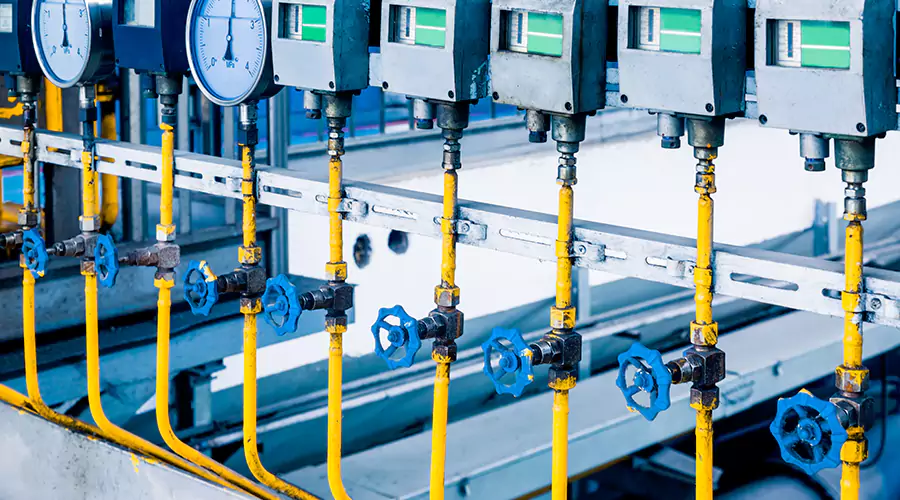
Natural gas is a fantastic fuel source for your home. It is efficient, affordable, and provides instant heat for cooking and warming your house.
However, unlike a dripping faucet or a clogged toilet, a mistake with a gas line can have catastrophic consequences. A simple leak can lead to fires, explosions, or carbon monoxide poisoning.
Because the risks are so high, gas line installation is not a "Do It Yourself" project. It is specialized work that requires strict adherence to safety codes and local laws.
In this guide, we will explain when you might need a new gas line, what the installation process looks like, and why hiring a licensed professional is the only safe choice.
When Do You Need Gas Line Services?
Most homeowners call us for gas line work during renovations or when upgrading appliances. Here are common situations where you need a professional:
- Switching from Electric to Gas: Many serious cooks prefer gas stoves over electric ones because they offer better temperature control. If your kitchen only has an electric outlet behind the stove, we need to run a new gas line to that spot.
- Installing New Appliances: You might be adding a gas dryer, a gas fireplace, or a tankless water heater. Each of these appliances needs a dedicated connection to your main gas supply.
- Outdoor Living Upgrades: Running a gas line to your backyard is a popular upgrade. It allows you to install a permanent gas grill, a fire pit, or a pool heater.
- Replacing Old Pipes: Like water pipes, gas pipes can corrode over time. If your home is very old, the existing pipes might be worn out and leaking.
Why You Must Hire a Professional?
You might be handy with a wrench, but gas work is different. Here is why you should never attempt this yourself:
- It Is Illegal for Unlicensed Individuals: In almost every city and state, it is against the law for a homeowner to install or modify their own gas lines. You must hold a specific license to touch these pipes. If you do the work yourself and something goes wrong, your home insurance company will likely deny your claim.
- Proper Sizing is Complex: Gas lines must be sized correctly based on how much gas your appliances use (measured in BTUs). A professional calculates the load to ensure everything works safely.
- Leak Testing: A professional performs a rigorous pressure test. We pump air into the system and watch a gauge to ensure it holds pressure perfectly. This confirms there are zero leaks before we ever turn the gas on.
The Installation Process: What to Expect
If you hire us to install a gas line, here is what the process usually looks like:
Step 1: Planning and Permits
First, we look at your current system. We determine the best path for the pipe and calculate the correct size. We then pull the necessary permits from your local building department. This ensures the work is logged and inspectable.
Step 2: Shutting Off the Gas
Safety comes first. We turn off the main gas supply to your home before we start any work.
Step 3: Installation
We run the piping. During Gas Line Installation, we might use black iron pipe (the traditional, rigid material) or CSST (Corrugated Stainless Steel Tubing), which is flexible and easier to snake through walls. We ensure every joint is sealed tight.
Step 4: The Pressure Test
This is the most critical step. We cap off the ends and pressurize the line with air. We monitor it for a specific amount of time. If the pressure drops even a tiny bit, it means there is a leak, and we fix it immediately.
Step 5: Inspection and Hookup
Once the test passes, a city inspector may come to verify the work. After approval, we connect your appliances and turn the gas back on. We also check the pilot lights and burners to ensure they are burning blue (which means a clean, safe burn).
Recognizing a Gas Leak
Even if you are not planning an installation, every homeowner should know the signs of a leak:
- The Smell: Natural gas is odorless, but a chemical called mercaptan is added. It smells like rotten eggs or sulfur.
- The Sound: A hissing or whistling noise coming from a pipe or appliance.
- Dead Plants: Gas leaking underground can cause the grass or plants above it to turn brown and die.
If you smell gas, leave the house immediately. Do not flip any light switches or use your phone inside. Call the utility company or 911 from a safe distance.
Conclusion
Gas appliances add comfort and value to your home. But the piping that powers them demands respect.
Gas line installation is about precision, code compliance, and safety. It ensures your family is safe while enjoying the benefits of natural gas.
If you are planning a kitchen remodel or want to install a new gas fireplace, give us a call. We are licensed, insured, and experienced in handling gas lines safely. Let us handle the dangerous work so you can enjoy the results.